


In Quebec’s construction landscape, failing to comply with legal requirements can lead to serious building code violations. Projects that do not meet the standards outlined in the Quebec Construction Code can face fines, stop work orders, and potential liability for contractors and project managers.
Understanding the legal framework and common causes of violations is essential for ensuring safety and keeping projects on schedule. This article explains what building code violations are, why they occur, and how to prevent them.
What Are Building Code Violations?
Building code violations occur whenever construction work does not comply with legal requirements set out in the Quebec Construction Code (Code de construction du Québec) or related safety regulations. Violations can include structural deficiencies, unsafe fire exits, electrical hazards, or missing permits.
Under the Civil Code of Québec, contractors and project managers are responsible for ensuring that their work meets all applicable safety and regulatory standards, and failure to comply can result in civil liability.
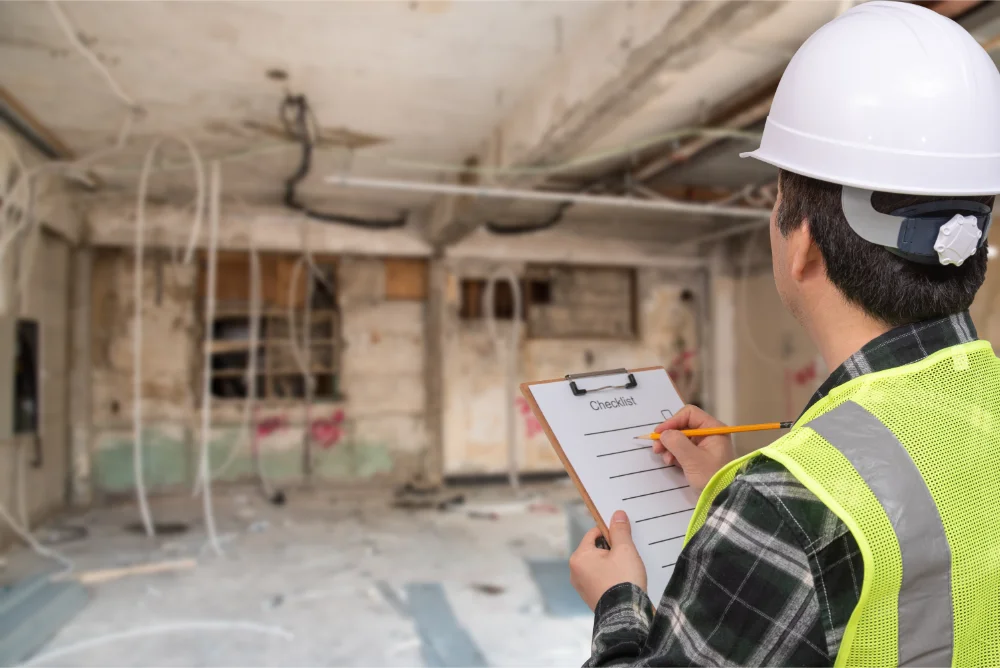
Types of Violations
Building code violations generally fall into three categories:
- Structural Issues:
These involve elements critical to the building’s stability. Deficiencies in these areas can compromise the safety of the entire structure.- Common examples include: foundations that are improperly poured, load-bearing walls with inadequate support, or weakened support beams.
- Safety Issues:
These relate to conditions that could cause injury or put occupants at risk. Safety violations are considered high-risk because they directly affect the well-being of workers and future occupants.- Common examples include: missing guardrails, non-compliant fire exits, improper electrical installations, and insufficient sprinkler systems.
- Administrative or Paperwork Violations:
These occur when required permits, documentation, or inspection reports are incomplete or missing. While they may not pose immediate physical risks, they can halt a project and create legal complications.- Common examples include: performing work without a building permit, failing to submit inspection reports, or inaccurate reporting of completed work.
Common Causes of Construction Violations
Many violations are not the result of negligence but occur because of gaps in understanding, communication, or documentation. For example, a team might assume older building plans comply with current codes or misinterpret technical requirements in the Quebec Construction Code.
| Cause | Example | Risk Level |
|---|---|---|
| Misreading code requirements | Incorrect stair height | Medium |
| Relying on outdated plans | Renovating older buildings | High |
| Lack of proper inspections | Electrical wiring not checked | High |
| Ignoring fire safety regulations | Missing sprinklers | Critical |
Ensuring staff are properly trained, aware of updates, and follow a structured compliance process is essential to preventing violations and avoiding costly legal consequences.
Legal Consequences of Building Code Violations
Building code violations in Quebec carry both administrative and legal consequences, which can significantly impact a construction project.
1. Fines and Administrative Penalties
Municipal authorities and the Régie du bâtiment du Québec (RBQ) can issue fines for non-compliance with the Quebec Construction Code. These penalties are typically monetary and vary depending on the seriousness of the violation. Minor infractions may only result in small fines but serve as a formal notice of non-compliance.
2. Stop Work Orders
A stop work order is issued when a violation poses an immediate safety risk. All construction activity must halt until the issue is corrected. This ensures the safety of workers and occupants but can disrupt schedules and budgets.
3. Insurance Implications
Non-compliance can impact insurance coverage. If a known violation contributes to damage or injury, insurers may deny claims, leaving contractors personally responsible for the costs. This consequence often compounds the financial and legal risks of other violations.
4. Civil Liability
Under the Civil Code of Québec, contractors, project managers, and in some cases property owners, may be held liable if a violation results in injury, property damage, or death (Art. 1457 C.c.Q. et Art. 2118 C.c.Q). This is one of the most serious legal consequences and can have long-term financial and reputational implications.
Need Legal Support After an Inspection?
Ponce & Associés helps you respond to stop work orders, inspections, and enforcement issues promptly to protect your project, your team, and prevent escalation.
What to Do When a Building Code Violation Occurs
When a building code violation is identified, the response should follow a deliberate sequence. Each step carries legal significance, and missteps early on often determine whether the issue is resolved efficiently or escalates into enforcement or dispute.
Step One: Inspection, Complaint, or Notice of Violation
A building code violation usually begins with a municipal inspection. This may be triggered by a routine inspection, a neighbour’s complaint, permit review, or visible non-compliant work. During the inspection, municipal officials assess the property and document any work that does not comply with building codes, zoning bylaws, or permit conditions.
If a violation is identified, the municipality may issue a written notice, an order to correct, a stop-work order, or a fine, depending on the severity of the issue.
Step Two: Review of the Violation and Required Corrections
Once a notice is issued, the municipality will outline the specific regulations that were breached and the corrective actions required. This stage is critical, as it clarifies whether the issue is administrative (such as missing permits), technical (non-compliant construction), or safety-related (structural or fire code concerns).
Property owners are typically given a deadline to respond, submit documentation, or complete corrective work. Understanding exactly what is required helps avoid unnecessary delays or additional violations.
Step Three: Permit Applications and Compliance Planning
In many cases, resolving a building code violation requires submitting new permit applications or amending existing permits. This may involve providing updated plans, engineering reports, or professional certifications demonstrating how the work will be brought into compliance.
A clear compliance plan — outlining the corrective steps, timeline, and responsible professionals — is often necessary before any corrective construction can begin.
Step Four: Corrective Work and Follow-Up Inspections
After approval is granted, corrective work must be completed according to municipal requirements and applicable building codes. Licensed contractors or qualified professionals are often required for this stage. Once the work is finished, the municipality will conduct a follow-up inspection to verify compliance.
Passing this inspection is essential to closing the file and lifting any stop-work orders or restrictions.
Step Five: Fines, Enforcement Measures, and Appeals
If violations are not corrected within the required timeframe, municipalities may impose fines, escalate enforcement actions, or pursue legal remedies.
In situations where a property owner believes the violation was issued in error or enforcement was unreasonable, there may be options to request a review, negotiate corrective timelines, or challenge the decision through administrative or legal channels. Acting quickly is important, as appeal rights are often time-limited.
Step Six: Importance of Professional and Legal Guidance
Building code violations can carry serious financial and legal consequences, especially when safety or structural issues are involved. Working with qualified professionals — such as engineers, architects, licensed contractors, or legal advisors familiar with municipal regulations — can significantly improve outcomes. Proper guidance helps ensure compliance, reduces the risk of future violations, and protects the long-term value of the property.

How to Prevent Building Code Violations
Preventing violations requires proactive planning, thorough documentation, and ongoing oversight throughout the construction process.
Corrective Action Plan (CAP) Template for Construction Projects in Quebec
Corrective action plans are often required by inspectors or relied upon during enforcement reviews. While the format may vary, effective plans generally include the following elements.
| Section | Details / Instructions | Example / Notes |
|---|---|---|
| Project Name / Number | Enter the official project reference | “Maple St. Condo, Project #2026-004” |
| Date Initiated | Date the plan is created | 2026-02-04 |
| Reported By | Name and title of the person identifying the issue | John Smith, Site Supervisor |
| Description of Non-Compliance | Detailed description including location and witnesses | Missing fire-rated doors on 3rd floor corridor; identified during municipal inspection |
| Applicable Code Provisions | Relevant Quebec Construction Code sections | CBC, Div. B, 3.2.5.4 – Fire separations |
| Risk Level | High / Medium / Low | High – affects life safety |
| Root Cause Analysis | Why the violation occurred (process, coordination, equipment) | Door supplier delivered wrong model; inspection missed during installation |
| Immediate Containment Actions | Actions taken to prevent worsening the violation | Installed temporary fire-rated doors; restricted access to corridor |
| Corrective Actions (Permanent Solutions) | Steps to fix the root cause and restore compliance | Replace doors with correct fire-rated models; update inspection checklist |
| Responsible Person(s) | Who will carry out each corrective step | Jane Doe, Project Manager; Mike Lee, Contractor |
| Completion Date | Target date for all corrective measures | 2026-02-15 |
| Verification Method | How compliance will be confirmed | Reinspection by municipal inspector; signed completion report |
| Sign-Off | Project Manager or Safety Officer | Jane Doe, Project Manager |
Facing a Building Code Violation?
Ponce & Associés can help you manage enforcement, implement corrective measures, and reduce legal or financial impact before the situation escalates further.
Frequently Asked Questions
The following answers clarify common issues encountered on Quebec construction projects.
Conclusion
Building code violations are more than technical missteps; they are legal and operational risks that can affect timelines, costs, and professional liability. Understanding how violations arise, how to prevent them, and how to respond effectively when they occur allows construction leaders to maintain control even in challenging situations. With informed planning, clear corrective processes, and timely legal guidance, building code violations can be addressed decisively rather than allowed to derail a project.


